
Dance Medicine 101
What Is Dance Medicine?
Dancers are Artistic Athletes. Their healthcare should reflect that.
Understanding Dance Medicine
What is dance medicine?
Dance medicine is healthcare from professionals who understand what dancers’ bodies go through.
Dancers ask things of their bodies most people never experience. In a single day, you could be practicing thirty-two fouettés in one class and a headspin on a hard floor in the next, rehearsing a partner lift, performing three competition numbers before lunch or heading to a heels rehearsal at 9 p.m., all before a 10-hour tech day in character shoes. Dance medicine looks at a dancer the way a dancer lives: how you train, what styles you dance, how often you rehearse and what you’re preparing for next.
That can mean helping a dancer recover from an injury and get back to class, spotting habits that could lead to an injury, building strength and stamina for a busy season, or supporting the fueling, rest and mental health that keep dancers performing.
It’s part of a larger field called performing arts medicine, which cares for performers like dancers, musicians, actors and singers.1 The goal is simple: help dancers keep doing what they love, safely, for as long as they want to.
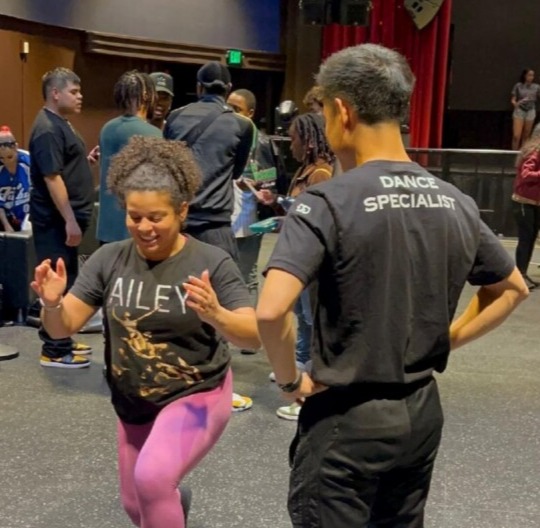
Are dancers considered athletes?
Yes. Research describes dancers as athletes because of the incredible physical demands of their training.2 You train for hours, perform under pressure and make it look effortless. That’s why we call dancers Artistic Athletes.
Why does dance need its own healthcare?
Dancers ask their bodies to do things most people never will: turnout, pointe, extreme flexibility, power moves and freezes, partnering and lifts, tricks, floor work and hours of repetition. Injuries in dance are common, and research recommends specialized dance healthcare to help reduce the risk of injury.2
Is dance medicine only for professional dancers?
Not at all. If you dance, it’s for you.
For every dancer
Recreational Dancers Studio Kids Competition & Convention College Dancers Pre-Professionals Adult Dancers Pros
From ballet to breaking… and everything in between
Ballet Pointe Jazz Lyrical Contemporary Modern Hip Hop Breaking Commercial Tap Musical Theatre Ballroom Latin Salsa Irish Flamenco Bollywood K-Pop Step Folk & Cultural Acro Aerial Dance Team Cheer & Pom Heels and more
Finding the Right Care
When to Reach Out for Help
When should a dancer talk to someone?
Many dancers are taught to push through pain, so they wait too long. If pain keeps coming back, isn’t getting better or is changing the way you dance, it’s a good time to talk to a qualified professional. If it’s ever an emergency, call your doctor or 911 right away.
Looking for care from someone who speaks dance?
DFD Dance Specialists are healthcare and wellness professionals who understand what dancers’ bodies go through. Searching our directory is always free.
The DFD Reading List
Want to learn more about dance medicine?
The more you understand your body, the longer you get to keep doing what you love. Whether you’re a dancer, a dance parent, a teacher or a professional, we’ve gathered our favorite books and resources to help you learn along the way. Here are two great places to start.

Dance Injuries
Reducing Risk and Maximizing Performance
Edited by Dr. Jeffrey A. Russell, PhD, AT
Shop on Amazon →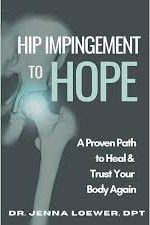
Hip Impingement to Hope
A plain-language guide for anyone who wants a real path forward from chronic hip pain without surgery.
By Dr. Jenna Loewer, PT, DPT · View her profile
Shop on Amazon →As an Amazon Associate, Doctors For Dancers earns from qualifying purchases.
Learn Dance Medicine
Where to Study Dance Medicine
There aren’t many programs out there, which is part of why this field is still so new to people. These programs aren’t all the same: some prepare licensed healthcare professionals for clinical work, some focus on dance science research, and some, like UF’s Dance in Medicine certificate, focus on using dance to support health and well-being. Here are some to explore:

Study performing arts medicine with Ohio University
Our education partnership with Ohio University was built with Dr. Jeffrey Russell, founder and director of the university’s Clinic for Science and Health in Artistic Performance (SHAPe). Ohio University offers two certificate programs focused on the health of performing artists:
Graduate · 100% onlineGraduate Certificate in Performing Arts MedicineFor licensed healthcare professionals like athletic trainers, PTs and physicians.Learn more →Undergraduate · Athens campusPerforming Arts Health and Wellness CertificateFor performing arts and health science students.Learn more →
Every professional who studies performing arts medicine is one more person a dancer can turn to who truly gets it. Whether you’re a PT, athletic trainer, physician or a student who grew up in the studio, this is a way to turn your love of dance into a career that keeps dancers doing what they love.
Degree programs in the U.S.
- University of South Florida, Dance Medicine & Science Certificate (undergraduate): open to any major, covering anatomy, dance kinesiology and research with hands-on labs.
- University of Florida, Dance in Medicine Certificate (undergraduate): through UF’s Center for Arts in Medicine, with hands-on experience using dance to support health and well-being.
- Texas A&M University, MFA in Dance: (graduate) with dance science as an area of focus and a dance science capstone option.
Degree programs in the U.K.
- University College London, Performing Arts Medicine MSc: distance-learning master’s for health professionals who work with performers.
- Trinity Laban (London), MSc/MFA Dance Science: for dancers, teachers, scientists and health professionals.
- University of Chichester, BSc (Hons) Dance Science: (undergraduate) combining dance practice with lab research in physiology, psychology and biomechanics.
Online certificates
- Shenandoah University, Performing Arts Health & Fitness Certificate: (graduate, online) for performing artists, dance educators and fitness professionals.
Know of a dance medicine program we should add? We’d love to hear about it. Contact us and tell us about it.
This list is for educational purposes and isn’t complete. Except for our partner, Ohio University, listing a program doesn’t mean DFD endorses it or is affiliated with it. Program details change, so check with each school directly.
Doctors For Dancers
We Speak Dance.
We know the dance world because we’ve been part of it.
From studios and competitions to college programs and professional stages, we’ve spent years alongside dancers, teachers and healthcare professionals. When dance is part of who you are, finding someone who truly understands your craft matters.
Teachers, studio owners and choreographers: bring DFD to your studio, team or event.
Last reviewed: October 2026
Sources
- Miller C. Dance medicine: current concepts. Phys Med Rehabil Clin N Am. 2006;17(4):803–811. PubMed
- Russell JA. Preventing dance injuries: current perspectives. Open Access J Sports Med. 2013;4:199–210. Read the article